
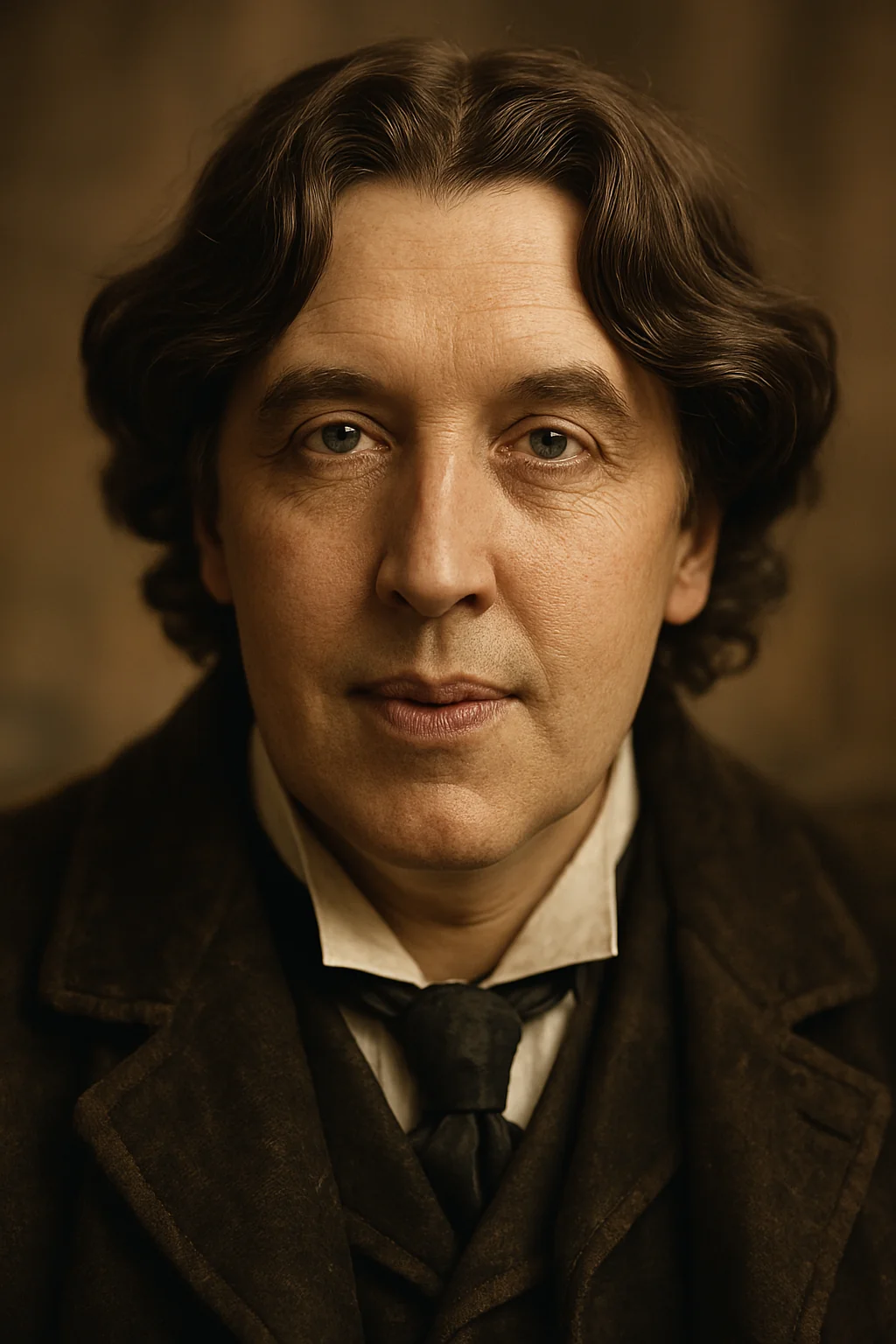
"“What seems to us as bitter trials are often blessings in disguise”"
— Oscar Wilde
What Seems To Us As Bitter Trials Are Often
“What seems to us as bitter trials are often blessings in disguise”
success
Similar Quotes
“The great source of both the misery and disorders of human life, seems to arise from over-rating the difference between one permanent situation and another. Avarice over-rates the difference between poverty and riches: ambition, that between a private and a public station: vain-glory, that between obscurity and extensive reputation. The person under the influence of any of those extravagant passions, is not only miserable in his actual situation, but is often disposed to disturb the peace of society, in order to arrive at that which he so foolishly admires. The slightest observation, however, might satisfy him, that, in all the ordinary situations of human life, a well-disposed mind may be equally calm, equally cheerful, and equally contented. Some of those situations may, no doubt, deserve to be preferred to others: but none of them can deserve to be pursued with that passionate ardour which drives us to violate the rules either of prudence or of justice; or to corrupt the future tranquillity of our minds, either by shame from the remembrance of our own folly, or by remorse from the horror of our own injustice.”
“Perhaps the hopes I have confessed to are of an illusory nature, too. But I hold fast to one distinction. Apart from the fact that no penalty is imposed for not sharing them, my illusions are not, like religious ones, incapable of correction.”
It is better to conquer our grief than to deceive it
“Sometimes it is harder to accede to a thing than it is to see its truth.”
“People, he thought, were as hungry for a sight of joy as he had always been--for a moment's relief from that gray load of suffering which seemed so inexplicable and unnecessary. He had never been able to understand why men should be unhappy.”
“In consequence, when the pleasures have been removed which busy people derive from their actual activities, the mind cannot endure the house, the solitude, the walls, and hates to observe its own isolation. From this arises that boredom and self-dissatisfaction, that turmoil of a restless mind and gloomy and grudging endurance of our leisure, especially when we are ashamed to admit the reasons for it and our sense of shame drives the agony inward, and our desires are trapped in narrow bounds without escape and stifle themselves. From this arise melancholy and mourning and a thousand vacillations of a wavering mind, buoyed up by the birth of hope and sickened by the death of it. From this arises the state of mind of those who loathe their own leisure and complain that they have nothing to do, and the bitterest envy at the promotion of others. For unproductive idleness nurtures malice, and because they themselves could not prosper they want everyone else to be ruined. Then from this dislike of others' success and despair of their own, their minds become enraged against fortune, complain about the times, retreat into obscurity, and brood over their own sufferings until they become sick and tired of themselves.”