
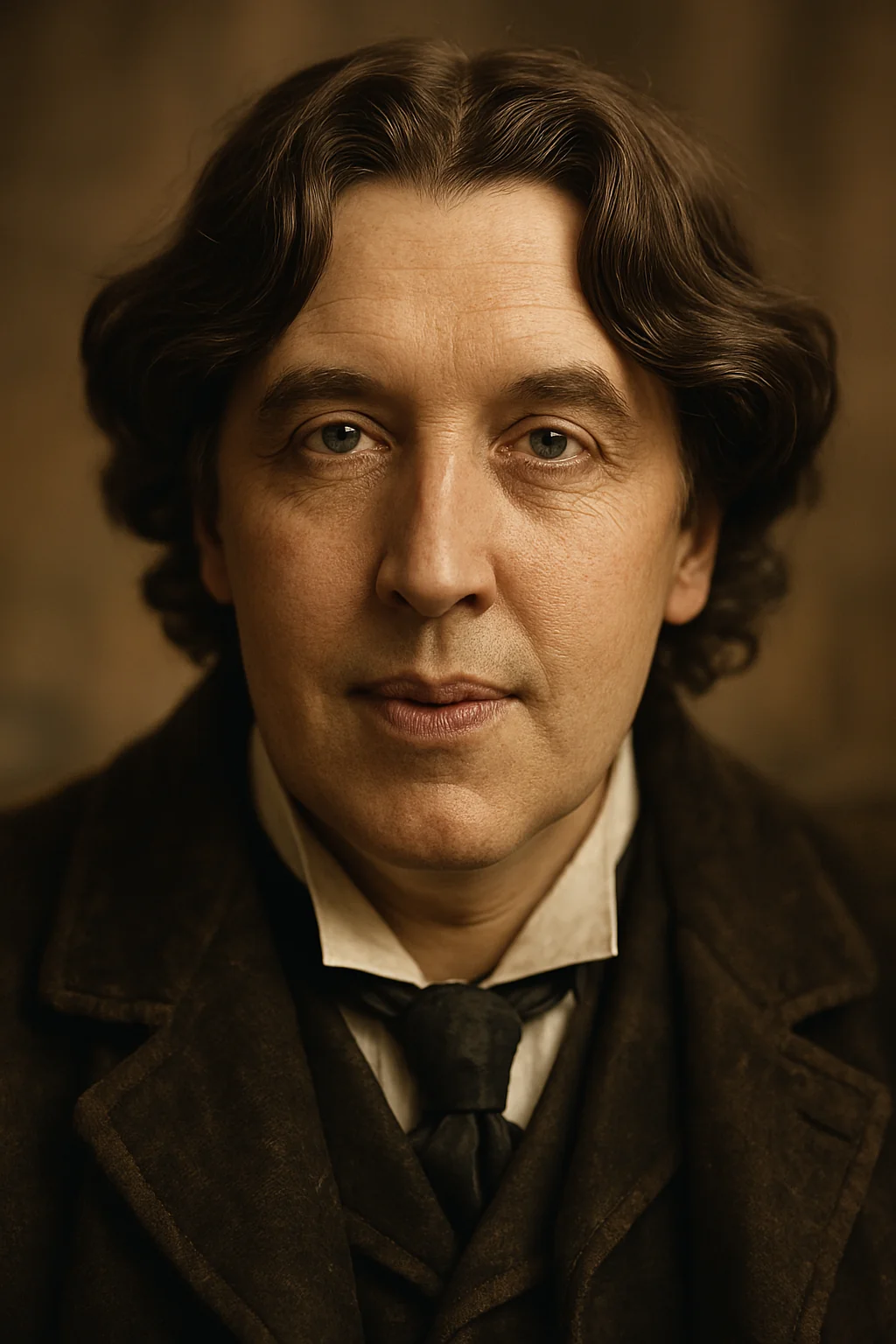
"“To have ruined one's self over poetry is an honor”"
— Oscar Wilde
To Have Ruined Ones Self Over Poetry Is An Honor
“To have ruined one's self over poetry is an honor”
poetry
Similar Quotes
“You have killed my love. You used to stir my imagination. Now you don't even stir my curiosity. You simply produce no effect. I loved you because you were marvelous, because you had genius and intellect, because you realized the dreams of great poets and gave shape and substance to the shadows of art. You have thrown it all away. You are shallow and stupid”
“Poets are shameless with their experiences: they exploit them.”
“All bad poetry springs from genuine feeling. To be natural is to be obvious, and to be obvious is to be inartistic.”
“Every word was once a poem.”
“but love is not fashionable anymore, the poets have killed it. They wrote so much about it that nobody believed them, and I am not surprised. True love suffers, and is silent. I remember myself once-but no matter now. Romance is a thing of the past.”
“In consequence, when the pleasures have been removed which busy people derive from their actual activities, the mind cannot endure the house, the solitude, the walls, and hates to observe its own isolation. From this arises that boredom and self-dissatisfaction, that turmoil of a restless mind and gloomy and grudging endurance of our leisure, especially when we are ashamed to admit the reasons for it and our sense of shame drives the agony inward, and our desires are trapped in narrow bounds without escape and stifle themselves. From this arise melancholy and mourning and a thousand vacillations of a wavering mind, buoyed up by the birth of hope and sickened by the death of it. From this arises the state of mind of those who loathe their own leisure and complain that they have nothing to do, and the bitterest envy at the promotion of others. For unproductive idleness nurtures malice, and because they themselves could not prosper they want everyone else to be ruined. Then from this dislike of others' success and despair of their own, their minds become enraged against fortune, complain about the times, retreat into obscurity, and brood over their own sufferings until they become sick and tired of themselves.”