
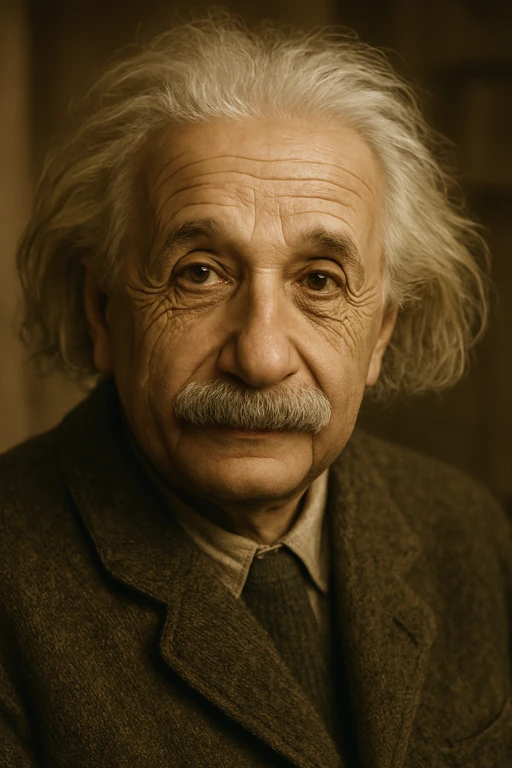
"“Reading, after a certain age, diverts the mind too much from its creative pursuits. Any man who reads too much and uses his own brain too little falls into lazy habits of thinking.”"
— Albert Einstein
Reading After A Certain Age Diverts The Mind Too 1
“Reading, after a certain age, diverts the mind too much from its creative pursuits. Any man who reads too much and uses his own brain too little falls into lazy habits of thinking.”
science
Similar Quotes
Reading, after a certain age, diverts the mind too much from its creative pursuits. Any man who reads too much and uses his own brain too little falls into lazy habits of thinking.
The person who reads too much and uses his brain too little will fall into lazy habits of thinking..
“In consequence, when the pleasures have been removed which busy people derive from their actual activities, the mind cannot endure the house, the solitude, the walls, and hates to observe its own isolation. From this arises that boredom and self-dissatisfaction, that turmoil of a restless mind and gloomy and grudging endurance of our leisure, especially when we are ashamed to admit the reasons for it and our sense of shame drives the agony inward, and our desires are trapped in narrow bounds without escape and stifle themselves. From this arise melancholy and mourning and a thousand vacillations of a wavering mind, buoyed up by the birth of hope and sickened by the death of it. From this arises the state of mind of those who loathe their own leisure and complain that they have nothing to do, and the bitterest envy at the promotion of others. For unproductive idleness nurtures malice, and because they themselves could not prosper they want everyone else to be ruined. Then from this dislike of others' success and despair of their own, their minds become enraged against fortune, complain about the times, retreat into obscurity, and brood over their own sufferings until they become sick and tired of themselves.”
“… the man who never looks into a newspaper is better informed than he who reads them, inasmuch as he who knows nothing is nearer to truth than he whose mind is filled with falsehoods and errors.”
“Just as in the second part of a verse bad poets seek a thought to fit their rhyme, so in the second half of their lives people tend to become more anxious about finding actions, positions, relationships that fit those of their earlier lives, so that everything harmonizes quite well on the surface: but their lives are no longer ruled by a strong thought, and instead, in its place, comes the intention of finding a rhyme.”
“Thinking is man’s only basic virtue, from which all the others proceed. And his basic vice, the source of all his evils, is that nameless act which all of you practice, but struggle never to admit: the act of blanking out, the willful suspension of one’s consciousness, the refusal to think - not blindness, but the refusal to see; not ignorance, but the refusal to know. It is the act of unfocusing your mind and inducing an inner fog to escape the responsibility of judgment - on the unstated premise that a thing will not exist if only you refuse to identify it, that A will not be A so long as you do not pronounce the verdict ‘It is.”